
Manufacturing
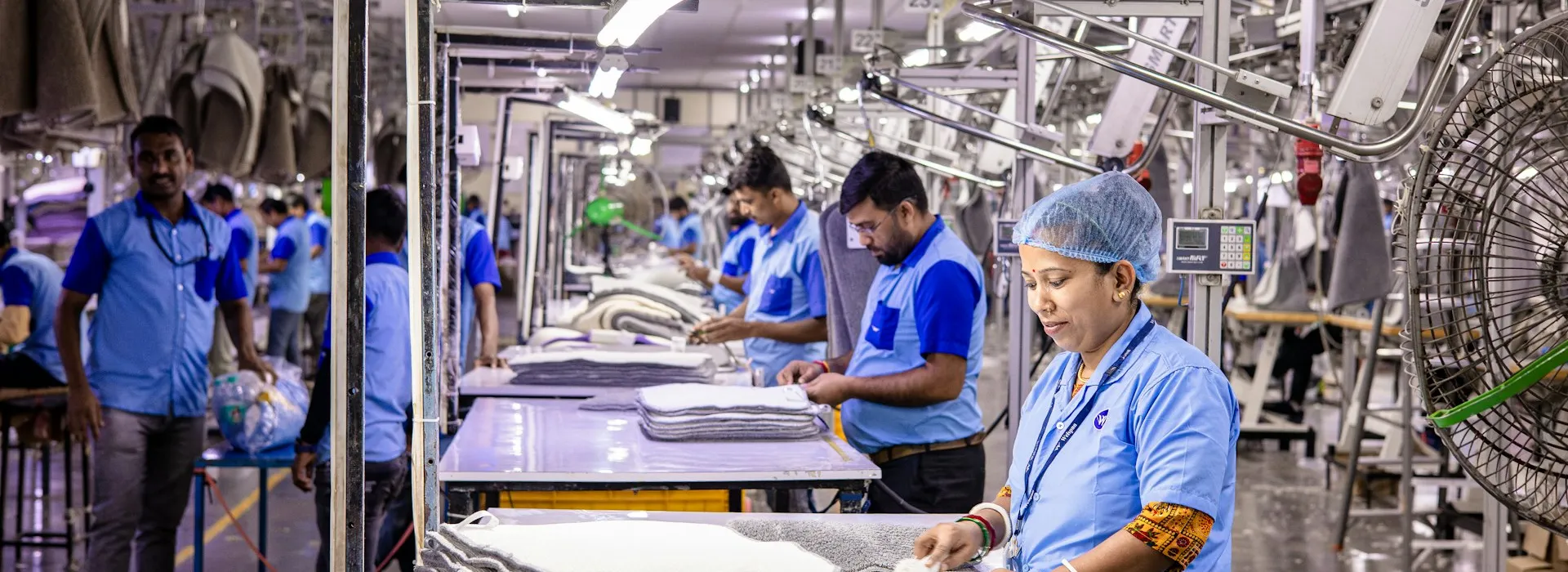
Manufacturers in Ghana manage raw materials, often imported, through production to finished goods, with costs exposed to exchange rates, energy prices and import duties. Accurate product costing and inventory valuation are essential both for pricing and for reliable financial statements.
We help manufacturers build sound costing, account for inventories and fixed assets correctly, manage VAT, customs and excise obligations, and assess whether they qualify for incentives such as those available to free zone enterprises or specific government programmes.
The issues that matter in manufacturing
Product costing and inventory
Overheads must be allocated to inventory on the basis of normal production capacity, and abnormal waste or idle capacity costs expensed, under IAS 2.
Excise duty and indirect taxes
Manufacturers of excisable goods must comply with the Excise Duty Act, 2014 (Act 878), alongside VAT and customs requirements on imported inputs.
Capital investment and incentives
Plant and machinery attract capital allowances, and some manufacturers qualify for sector or location-based incentives with conditions that must be monitored.
Regulatory standards
Product approvals and standards from bodies such as the Ghana Standards Authority and the Food and Drugs Authority affect costs and operations.
Issues we often raise in this sector
- Overheads not absorbed into finished goods or absorbed using actual rather than normal capacity.
- Raw material stock records that do not reconcile to physical counts.
- No provision for obsolete or expired raw materials and finished goods.
- Capital work-in-progress not transferred to fixed assets when assets come into use.
- Excise duty returns not reconciled to production and sales volumes.
- Conditions attached to tax incentives not monitored, putting the incentive at risk.
Services clients in this sector use
Statutory Audit
Audits of annual financial statements under the Companies Act, 2019 (Act 992) and sector rules, performed in line with International …
VAT & Indirect Taxes
VAT returns, customs and excise support, and advice on zero-rated, exempt and relief supplies, so indirect taxes are calculated and …
Corporate Tax Compliance
Preparation and filing of corporate income tax returns, estimated tax statements and withholding tax, with a review of the reliefs …
Performance Improvement, Manuals & SOPs
Operations manuals, standard operating procedures, process improvement and operating model support that make organisations run more consistently.
ESG Strategy & Reporting
Baseline and materiality assessments, sustainability strategy, policy development and ESG reports aligned with GRI, ISSB and SASB.
Fixed production overheads are allocated to inventory based on normal production capacity. Costs relating to unusually low production or abnormal waste are expensed as incurred.
Some are, depending on the sector, location and registration, for example with the Ghana Free Zones Authority. Incentives have conditions, and we advise on eligibility and compliance.
Yes. We design costing methods and procedures that give management reliable product costs and support inventory valuation.
Customers, lenders and export markets increasingly ask about energy use, emissions, waste and labour practices. We help manufacturers measure and report this information.